UX Day 2026: Between AI and the Future of Design
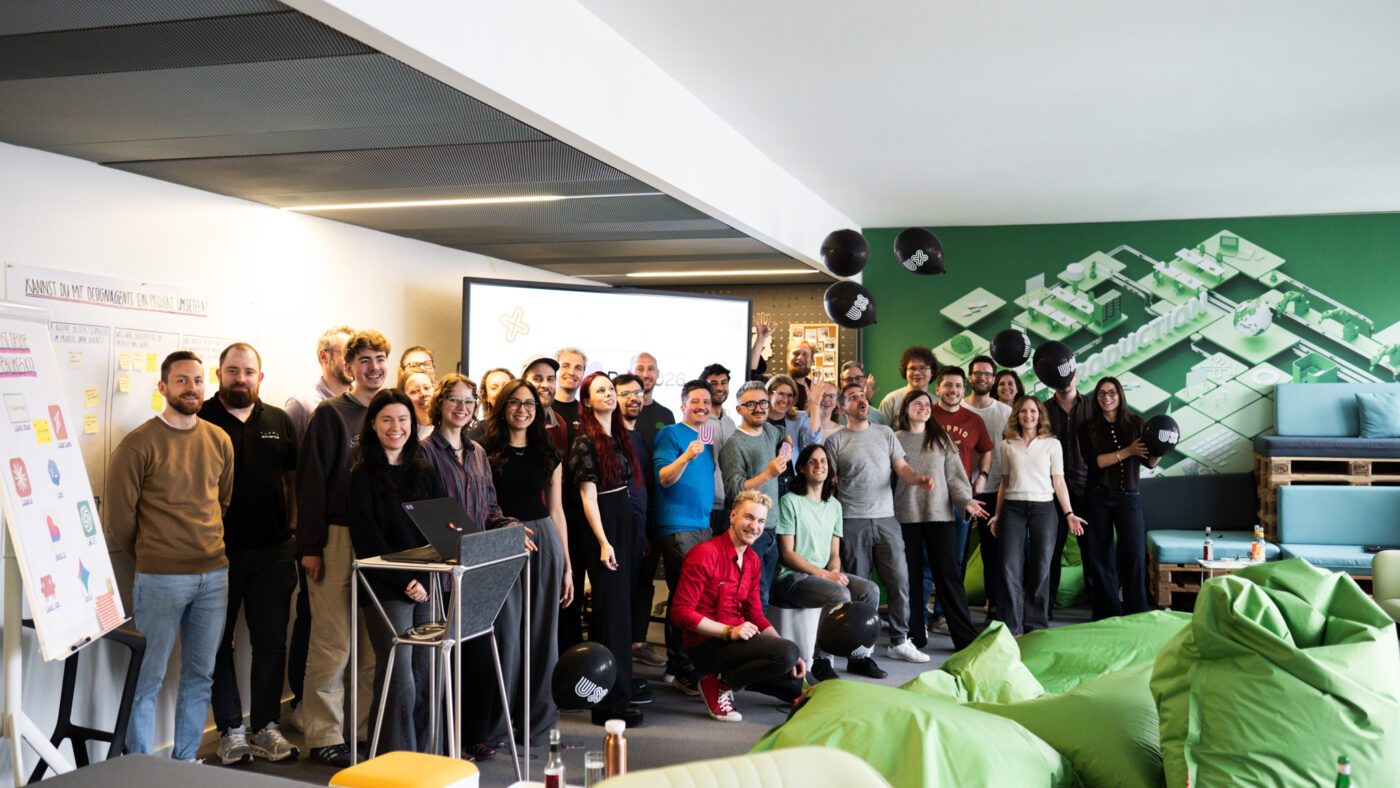
A strategic and hands-on UX conference in the enterprise and SAP context, centered around real digital transformation, AI integration, and user-centered business processes — that’s a concise yet fitting way to describe the sovanta UX Day 2026. Once a year, all of our UX experts come together — and of course, all other sovantees are invited as well. The day is dedicated entirely to the role of UX, with this year’s focus on current challenges in UX research, collaboration in enterprise environments, and the evolving role of design in the future. The event was accompanied by inspiring talks and perspectives from guests at SAP as well as members of the sovanta family. Julia, a working student at sovanta, joined for the first time this year and shared her impressions with us:
The Role of UX Is Changing
A central topic of the UX Day was the impact of AI on the work of designers.
The presentations were unanimous on one point: AI does not replace design, but rather changes the way designers work. Instead of fully replacing traditional UX processes, AI is increasingly becoming a tool that optimizes workflows, creates new opportunities, and makes us more productive. As designers, we are not becoming obsolete — we are becoming stronger.
UX design becomes even more important with AI. Identifying what users truly need, understanding real problems, and building empathy are things AI cannot replace. Especially in the enterprise environment, human understanding of complex processes, user needs, context, and strategic decision-making remains essential.
UX is not the same as UI
A recurring theme throughout many sessions was the clear distinction between UX and pure interface design. User experience is still often reduced to visual design or “beautiful interfaces.” However, the discussions on site made it clear that modern UX must be understood in a much more holistic way.
The focus is above all on understanding users, their ways of working, expectations, and real problems. Good UX combines research, strategic thinking, and process understanding with concrete business goals. It emerges where digital solutions are not only functional, but genuinely support people in their daily work and make complex processes simpler, more efficient, and easier to understand.
Especially in the enterprise and SAP environment, it has become clear how strongly UX is now understood as a connecting element between technology, product strategy, and user needs—far beyond traditional UI design.
UX Research as a Business Factor
We also gained a hands-on insight into UX research from our sovantees. The focus was on the question of how research can be used in a targeted way not only to create better user experiences, but also to make its impact on business metrics visible in an enterprise context.
It became clear that UX research is no longer an optional step, but a key component of successful product development.
Exchange, perspectives, and new impulses
In addition to the professional sessions, the focus was also on exchange and collaboration. Especially as many teams are now distributed across Germany, the UX Day offered an opportunity to come together in person and discuss the future of UX. Alongside catering, snacks, drinks, and a relaxed atmosphere, many engaging conversations and new perspectives emerged.
Interactive sessions and hands-on workshops were also part of the UX Day. Topics included methods for improving collaboration, handling challenging workshop situations, and visualizing complex information in a clear and understandable way. This combination of strategic topics and practical insights made the event particularly valuable.
More Than Just Professional Insights
Particularly noticeable was the shared motivation within the team. The UX Day not only provided professional input, but also strengthened a common understanding of how we want to work as designers and what role UX can play in future product development. Many conversations were not only about methods or tools, but also about collaboration, responsibility, and the question of how user-centered product development can be sustainably embedded in everyday corporate life.
With a variety of sessions, interactive workshops, engaging discussions, and many new perspectives, UX Day 2026 was above all one thing: a space for exchange, inspiration, and shared learning. It quickly became clear that UX is no longer a topic that concerns designers alone. In particular, the exchange between different disciplines made the day especially valuable and demonstrated how important diverse perspectives are for creating good digital products.
UX Day also made it clear that successful user experience today goes far beyond individual interfaces. What matters is the interplay of technology, processes, communication, and a deep understanding of users. It was precisely this combination of professional input, practical insights, and open discussions that made the event so compelling and left many new ideas, impulses, and motivation for one’s daily work.